Mold Remediation in Celina, TX
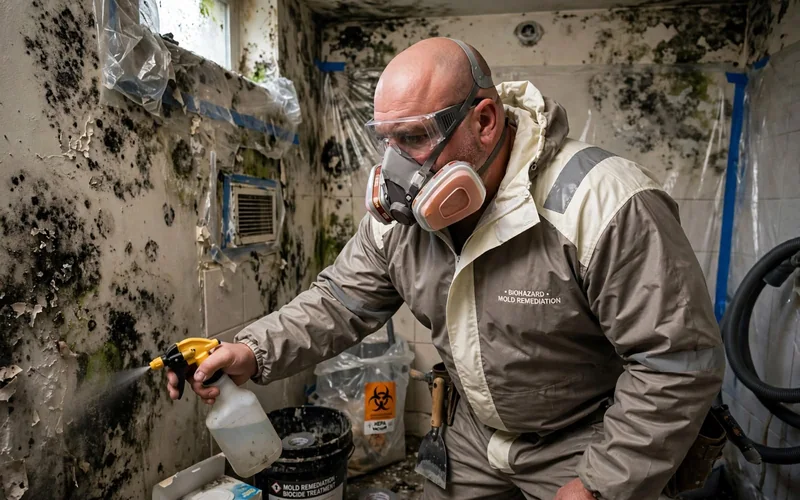
Mold needs moisture, and in a humid Texas summer a wet building gives it everything it wants. A wall that never fully dried after a leak, a roof leak above a closet, or a garage that stays damp after a storm can lead to a musty smell and dark spots. Celina Restoration Pro handles mold that follows water damage: we contain the area, remove affected materials, clean what can be cleaned, and deal with the moisture that let it grow.
Cleaning a stain without fixing the water problem only buys time, so the moisture source is part of the job.
- 24/7 Emergency Calls
- Free Estimates
- Licensed and Insured
Signs You May Have Mold
- Fuzzy, speckled, or slimy patches in black, green, white, or gray
- A damp, earthy odor that keeps coming back
- Blistering paint, lifting wallpaper, or discolored drywall
- Rings or streaks on a ceiling, a window frame, or a cabinet floor
- Sneezing or itchy eyes that improve once you leave the building
- An earlier leak, storm, or pipe break that never fully dried out
Growth can hide in wall cavities, beneath flooring, and above ceilings, so a spotless-looking room may still have a problem behind the paint.
What Feeds Mold Growth
Water That Stayed Too Long
Drywall, wood, and insulation that stay wet after a leak or storm give mold a place to start.
High Humidity
Texas summers, closed-up rooms, and poor ventilation keep moisture in the air.
Condensation
Chilled pipes, windows, and air conditioning ducts sweat, and the drips land on nearby materials.
Hidden Leaks
A slow drip from a supply line or a roof seam can leave a cavity soaked for months while nothing shows on the surface.
Mold Remediation Near You in Celina, TX
We handle mold remediation in Celina and the surrounding communities. Send us the street address and tell us what you see and when the water problem happened, and we will explain what to expect.
How We Approach Mold Cleanup
Inspect and Find the Moisture
We map visible growth, measure moisture, and track down the water source first, because cleanup before the cause is found tends to fail.
Contain the Work Area
Plastic sheeting and filtered air keep spores from drifting into clean rooms while we work.
Remove Affected Materials
Soaked wall board, insulation, and carpet are cut out and bagged, and hard surfaces that can be saved are cleaned in place.
Clean and Dry
HEPA vacuums and damp wiping pick up leftover dust, then fans and dehumidifiers dry the space so growth has no reason to return.
Check the Result
We make sure the space is dry and clean, then walk you through the repairs still ahead.
Where Mold Turns Up in Celina Properties
Attics
A roof leak or weak attic ventilation leaves insulation and decking wet.
Garages and Utility Rooms
Water heater leaks and plumbing failures can leave drywall wet behind doors and shelving.
Kitchens and Bathrooms
Leaking supply lines, drains, and tub surrounds soak cabinets and walls.
Slab-Level Rooms After a Leak
Water that spread across a slab can soak baseboards and the base of walls without showing much on the surface.
What Texas Rules Say About Mold Work
Texas regulates mold assessment and mold remediation through the Texas Department of Licensing and Regulation (TDLR). As we understand the rules, a mold remediation project of 25 contiguous square feet or more generally requires a state-licensed company, and a license holder may not both assess and remediate the same project. Rules can change, so confirm what applies to your project with TDLR, and ask any company you hire for its Texas license number.
What You Can Do Right Now
- Dry the space out. Fix the leak and run a dehumidifier if the air feels heavy.
- Do not disturb it. Scrubbing or sanding spreads spores.
- Leave the room if the growth is large or you start feeling unwell.
- Photograph it before anything is cleaned.
- See your doctor if anyone in the home has health worries.
If Water Caused It
Mold nearly always traces back to water. Our structural drying and dehumidification and roof leak water damage services address the moisture that feeds it. Coverage for mold differs from policy to policy, so read yours.